Why Small Group Sessions are reshaping industry dialogue
The upcoming edition of the Mediterranean Superyacht Forum marks a clear evolution in how the superyacht industry comes together to address its most pressing challenges.
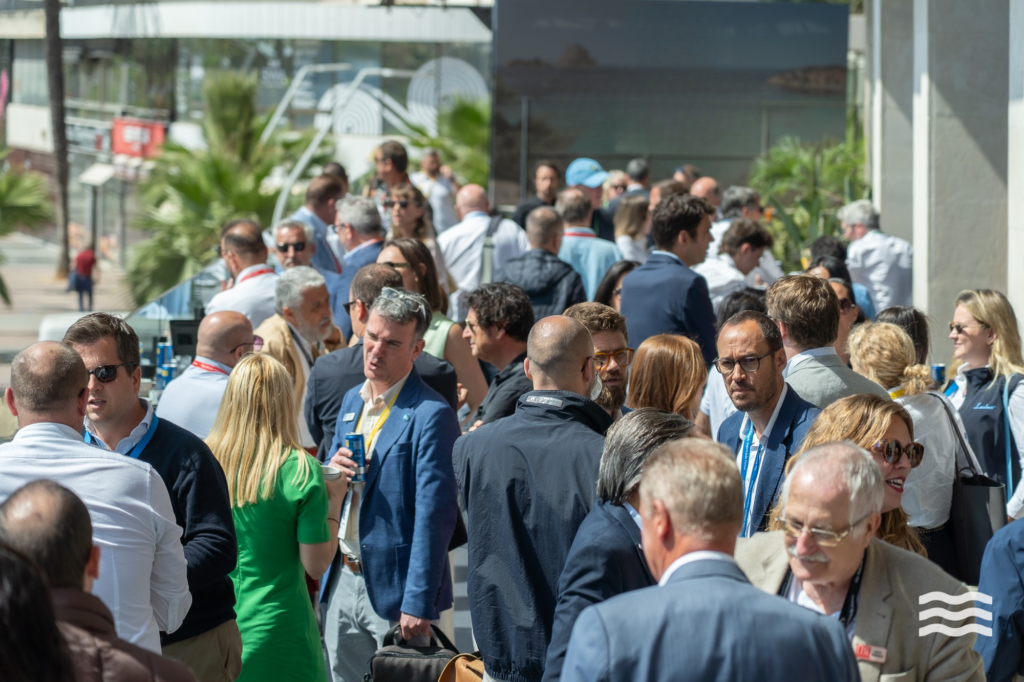
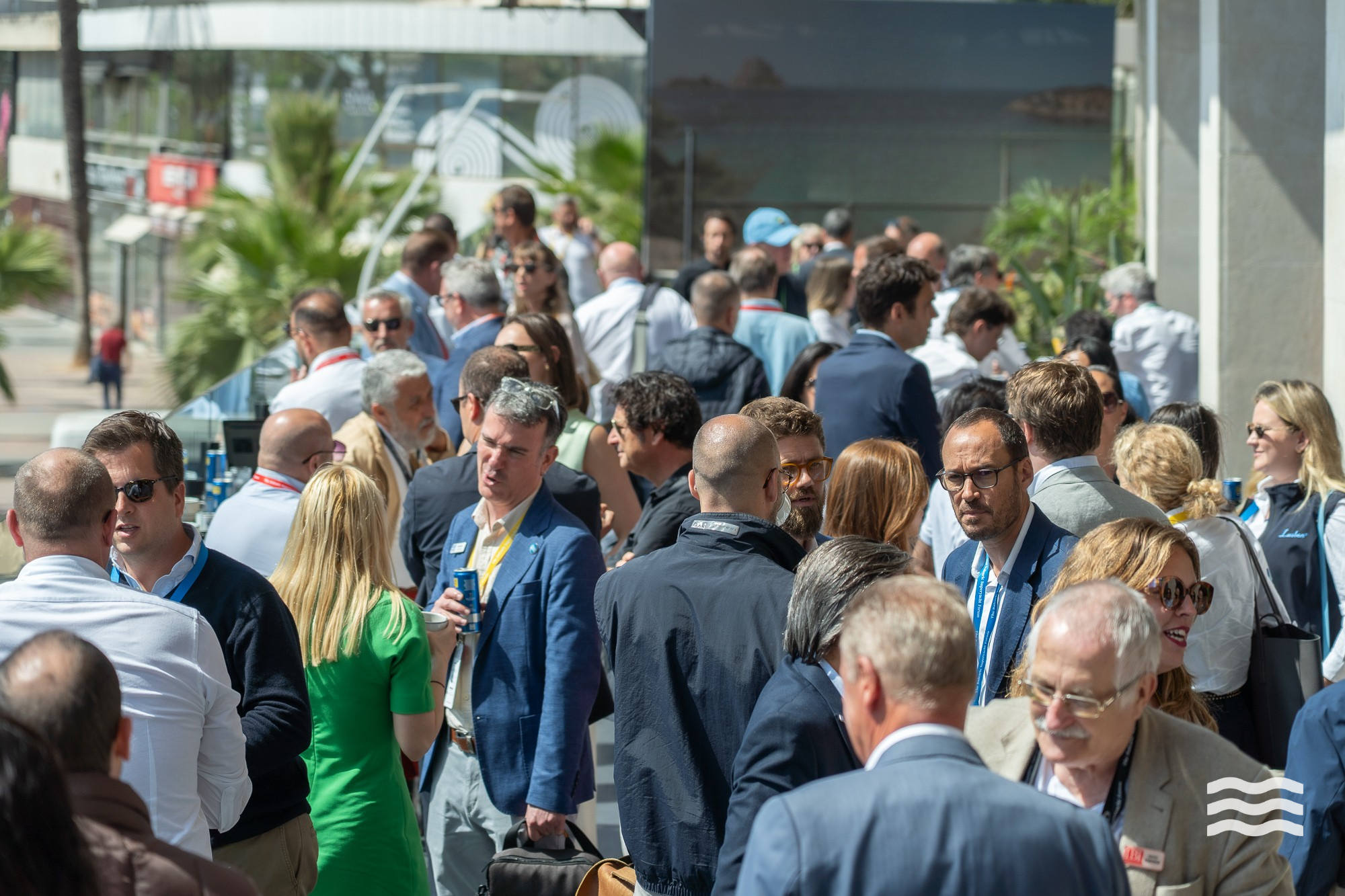
Rather than relying on traditional conference formats, the Forum has been carefully designed to foster active participation, structured debate and tangible outcomes. At the heart of this approach are the Small Group Sessions (SGS) taking place on Day 1 — a core element of the programme and a defining feature of this year’s edition.
Three core topics, one shared ambition
The Small Group Sessions are structured around three core strategic topics, each addressing a different layer of the superyacht ecosystem. While the specific session titles are not yet revealed, each group follows a distinct logic and methodology, tailored to the nature of the challenge being addressed.
Across all three tracks, the objective is the same: to move beyond opinion and into focused, expert-led discussion that reflects the real complexity of the sector.
Some sessions will focus on destinations and territorial strategy, examining the relationship between infrastructure, ecosystem development and long-term competitiveness. Others will address business structure and operations, from organisational resilience and talent management to digitalisation, refit processes and access to capital. A third set will concentrate on commercial and strategic decision-making, exploring how companies position themselves, allocate resources and engage with increasingly complex client and decision-making structures.
Listening to the industry before setting the agenda
One of the defining characteristics of this year’s Forum is how its agenda has been shaped. Rather than imposing a top-down programme, the structure and themes of MSF have been developed through extensive consultation with industry stakeholders across the Mediterranean.
This approach ensures that the topics addressed respond directly to real market priorities, By grounding the programme in industry feedback, the Forum reinforces its role as a platform built with the sector, not merely for it.
Why Small Group Sessions matter
The Small Group Sessions are deliberately designed for depth rather than scale. Working in small, curated groups allows participants to engage openly, challenge assumptions and test ideas in a way that is rarely possible in large panel discussions.
The SGS format recognises that the industry’s most urgent challenges — whether commercial, operational or strategic — cannot be addressed through surface-level debate. They require time, structure and the right mix of perspectives around the table.
While each session is designed with specific professional profiles and needs in mind, the Forum ensures that insights do not remain siloed.
From discussion to shared understanding
On Day 2, the process comes full circle. Conclusions and insights emerging from the Small Group Sessions are revisited, contrasted and debated within dedicated think tanks, structured around the same three core topics.
This allows participants who were not involved in a specific SGS to engage with its outcomes, introduce new viewpoints and contribute to a broader, collective understanding of the challenges facing the sector. The result is not a collection of isolated conclusions, but a shared industry narrative shaped through multiple perspectives.
A year-round industry ecosystem built for real challenges
What distinguishes the Mediterranean Superyacht Forum within the crowded landscape of industry events is its ambition beyond the two days in Palma. The Forum acts as a gateway to a year-round ecosystem of collaboration, including working groups, shared insights, whitepapers and pilot initiatives.
For professionals navigating the Mediterranean market, this continuity adds real value, ensuring that conversations initiated during the Forum evolve into longer-term dialogue and tangible outcomes.
In a sector facing increasing regulatory pressure, evolving owner expectations, talent shortages and rapid technological change, the Forum positions itself as a platform where dialogue leads somewhere — not just during the event, but well beyond it.
It is an approach designed not just to talk about the future of the industry — but to actively shape it.